Ganghwa Nature Farm
Ganghwa Nature Farm GNFARM · SINCE 2000 한국어 Book

Ganghwa Island · One hour west of Seoul

Ten horses, a tide that walks out
a mile, and a whole afternoon.

This is a working farm, not a petting zoo. The horses are raised here. The sweet potatoes come out of that field. And twice a day the sea pulls back far enough to turn the seabed into the biggest playground your kids have ever run across.

2000Year we started
10Horses, raised here
60 minBy car from Seoul
30+TV shoots on site

How it started

It began with one horse and a phone call.

2000 · THE FIRST HORSE Onyuhara

In 2000, a man in Ganghwa asked his younger brother — then working in Singapore — to find him a horse. The brother sent one. Her name was Onyuhara, which in Korean means something close to be gentle. She died in an accident years later. Everything on this farm grew out of that one animal.

Han-seop Oh has run the place ever since. Kids call him the horse uncle. He's the one in the cowboy hat, and after twenty-six years he still leads the horse himself when a five-year-old climbs on for the first time.

The farm kept adding whatever the land offered. Horses needed a field, so there was a field. The field needed hands, so school groups came. Behind the barn the sea does its twice-daily disappearing act, so the mudflat became part of the day too. Now ten horses, a donkey, goats, sheep, rabbits and chickens live here, and somewhere between tens of thousands of people come through every year.

Korea's Rural Development Administration certified the farm as an educational farm in 2010, and awarded it a quality certification for experience farms in 2013.

Han-seop Oh in a cowboy hat, horses behind him
HAN-SEOP OH — HERE SINCE 2000. THE KIDS CALL HIM THE HORSE UNCLE.

What to do

Pick two or three. That's an afternoon.

Nothing here takes all day on its own. Most families string together a ride, something in the dirt, and a slow lap of the farm. Prices are per person unless noted.

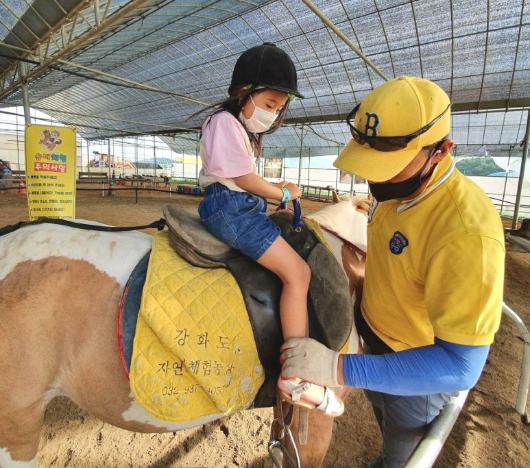
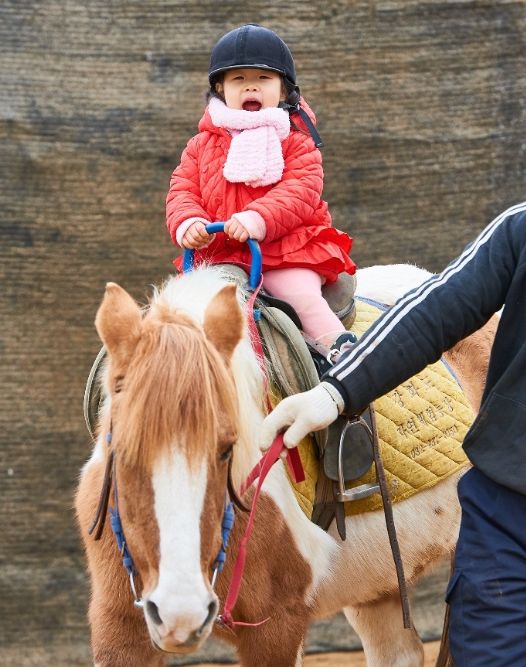
A child riding a pony led by a guide

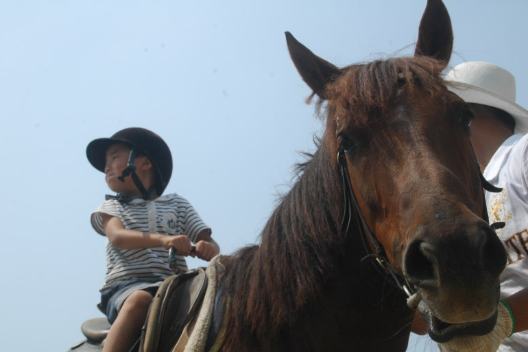
Horseback riding

Three versions. The short one circles the indoor ring — a guide walks at the horse's head the entire time, which is why preschoolers can do it. The long one takes you out into the open fields for a full hour.

₩22,000 / ₩38,500 / ₩100,000 · 10:30, 13:00, 15:00
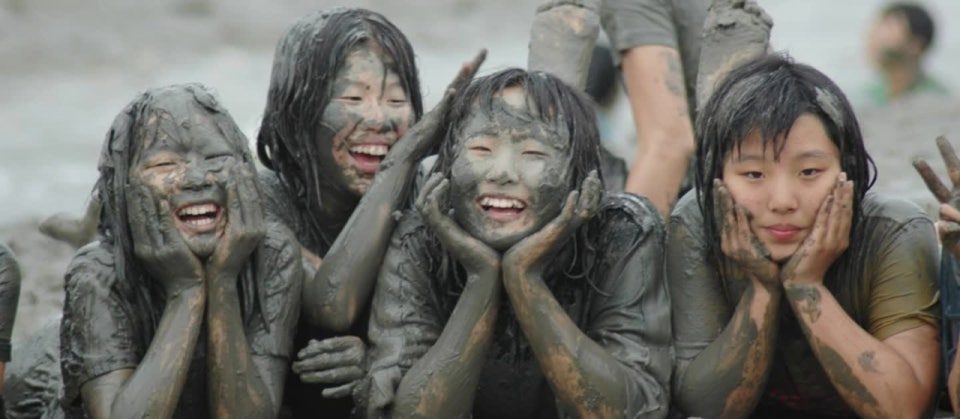
Children covered head to toe in mud, laughing

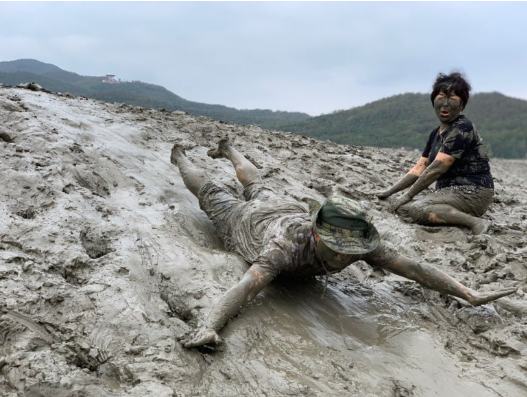
Tidal flat & ramyeon

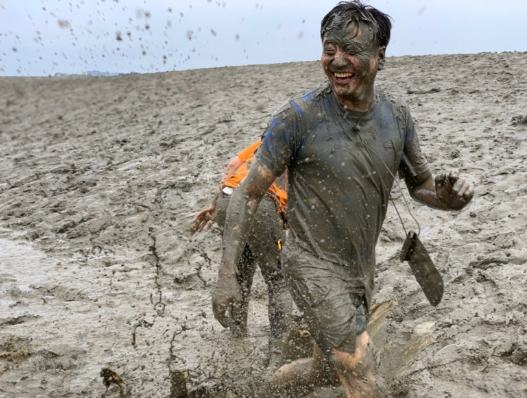
Walk out onto the seabed, dig for clams and crabs, slide across the mud on your stomach. When everyone is filthy and starving, we boil instant noodles outdoors. It ends better than it sounds.

₩17,000 · Mid-May to end of October
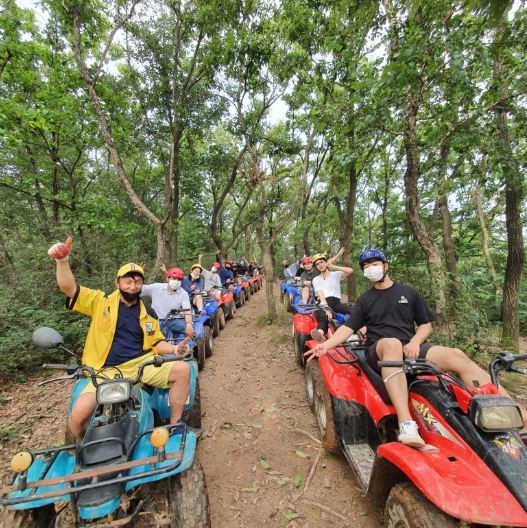
Visitors riding ATVs on a forest trail

ATV trail ride

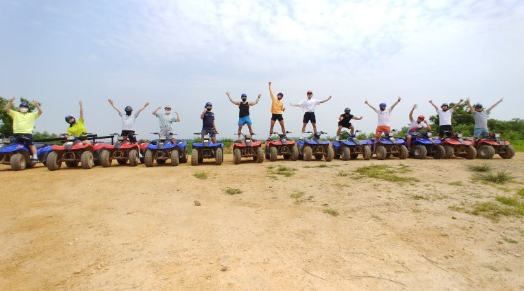
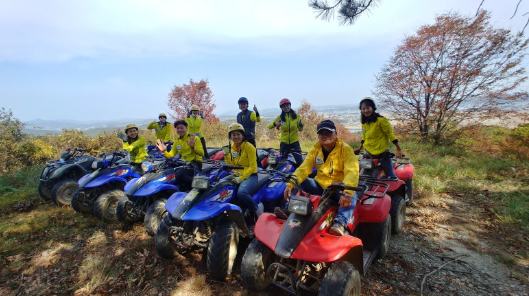
Fifteen minutes of instruction, then forty minutes on the hill trails behind the farm. Near the top the trees open up and you can see the fields and the sea at once.

₩38,500 · 2 riders min · 11:00, 14:00, 16:00
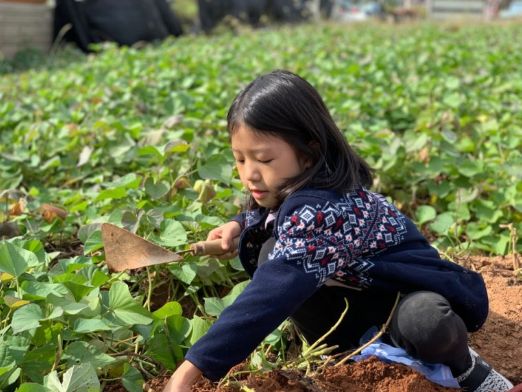
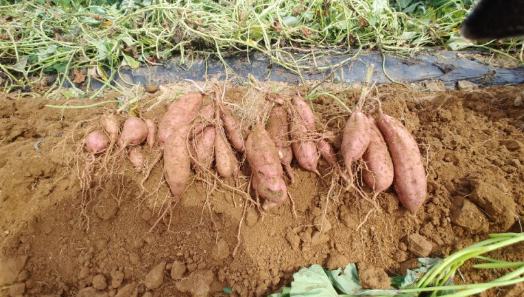
A child digging sweet potatoes out of the soil

Digging in the field

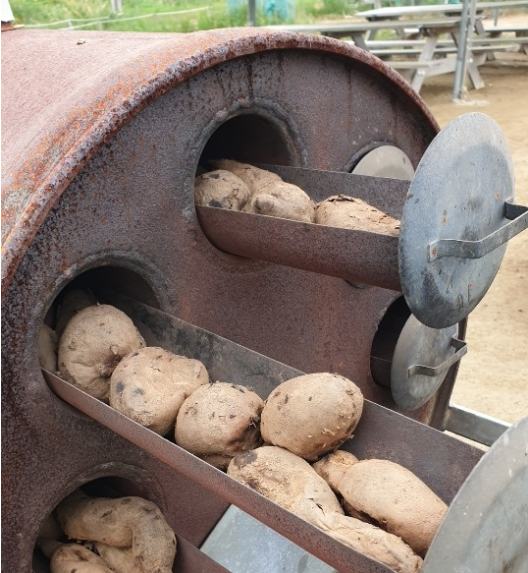
Potatoes and cherry tomatoes in early summer; sweet potatoes and peanuts in the fall. You keep what you pull. In cold weather we roast the sweet potatoes in an old oil drum.

₩50,000 per 10kg box (1–5 people)
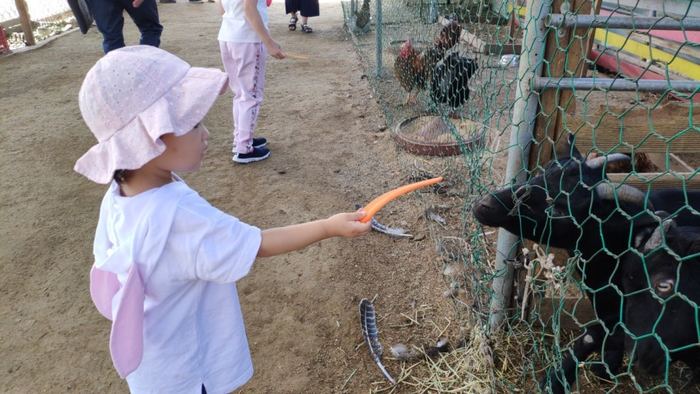
A child holding out feed to a farm animal

Feeding the animals

Ten species live here — horses, a donkey, sheep, black goats, rabbits, chickens. The first lesson is holding your hand flat and waiting. Most kids need two tries.

₩3,500 · All ages
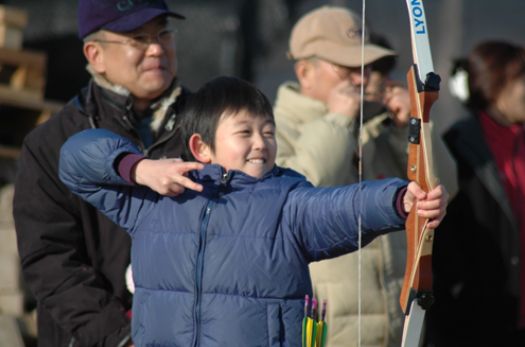
A child drawing a bow at the archery range

Korean archery

Ganghwa has been associated with archery for centuries. Twenty arrows, a real target, and a guide who fixes your stance before you embarrass yourself.

₩11,000 · 20 arrows
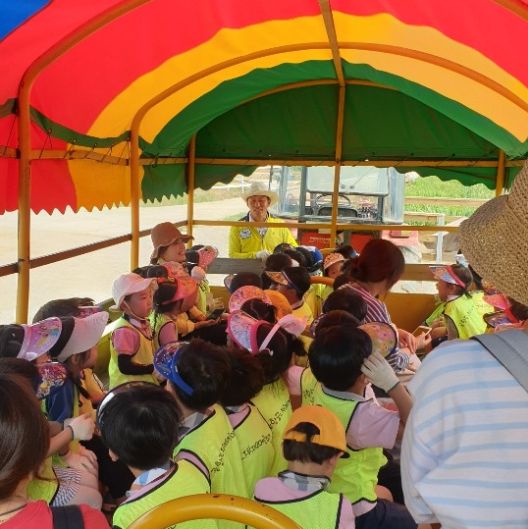
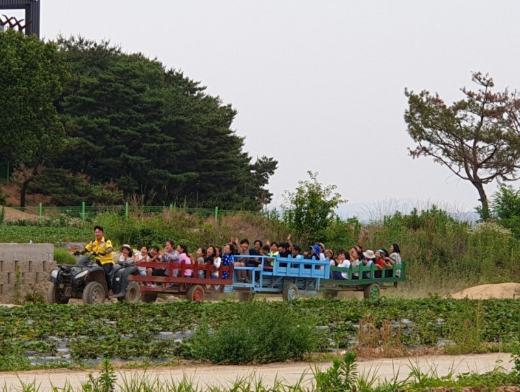
Kindergarten children riding the wagon train

The wagon train

A striped canopy over a string of carts, pulled by an ATV, looping the farm and the fields. No skill, no age limit, no reason not to.

₩5,500 · Everyone
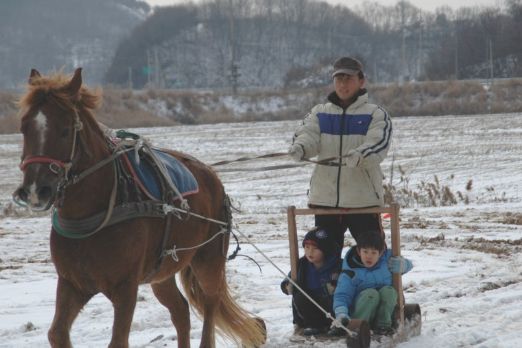
A horse pulling a sled across snow

Winter, if you're lucky

When snow sticks, a horse pulls a sled. We also pound rice cakes by hand, fly kites over the bare fields, and stand around the drum roaster warming our hands.

Seasonal · Ask when booking
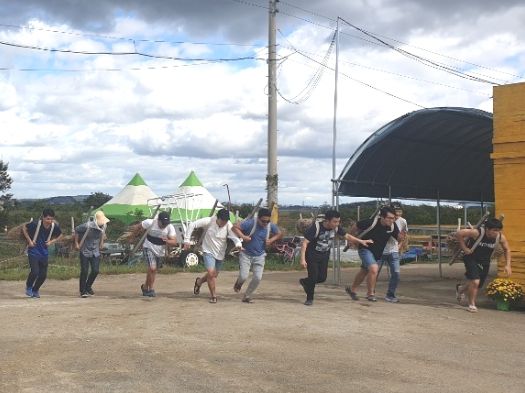
A company group playing a team game in the farm yard

Groups & company days

Schools, kindergartens, churches and corporate teams have been coming for decades. We'll build the day around your headcount and hand over any paperwork your office needs.

Custom quote

The part people don't expect

The sea leaves, and the seabed becomes a playground.

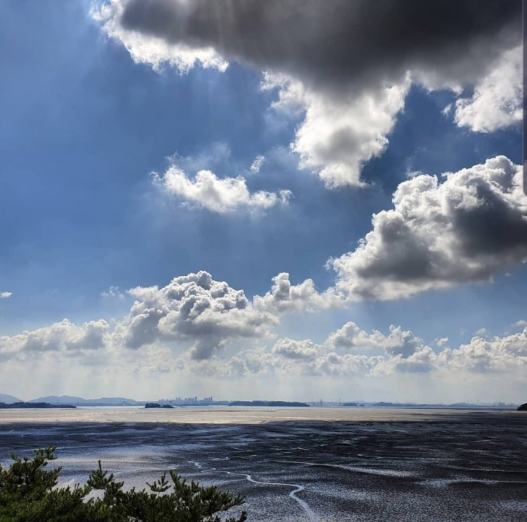
Korea's west coast has some of the largest tidal ranges on earth. Twice a day the water withdraws and leaves behind a plain of soft grey mud that runs out further than you can comfortably walk. It's a UNESCO-recognized ecosystem, full of crabs, clams and mudskippers — and it is also, unavoidably, the best sliding surface a child will ever encounter.

The mudflat runs from mid-May through the end of October. Even in season it follows the moon rather than our schedule, so session times move around the clock. Tell us your date and we'll tell you what time the sea gets out of the way. Bring a change of clothes. We have a wash station; you will need it.

People sliding across the tidal mudflat

Getting here

Ganghwa Island, right where the land runs out.

Address
331 Haeannam-ro, Gilsang-myeon, Ganghwa-gun, Incheon
인천광역시 강화군 길상면 해안남로 331
From Seoul
About an hour by car. Ganghwa connects to the mainland by bridge, so no ferry, no timetable.
From Incheon Airport
Roughly an hour by car. This is an easy first or last stop on a Korea trip.
Without a car
Bus to Ganghwa Bus Terminal, then a short taxi. Show the driver the Korean address above.
Parking
Free, on site, and wide enough for a full-size coach.
Look for
A yellow sign on Haeannam-ro. The lot is right in front of it.
Open in Naver Map
The farm entrance and its yellow sign
THE YELLOW SIGN ON HAEANNAM-RO. YOU'VE ARRIVED.

Before you go

Things worth knowing

Weekends are open. Weekdays are by arrangement.

Saturday and Sunday from 10am. On weekdays the farm runs on group bookings, so call ahead. During summer break we also open Tuesdays and Thursdays for the mudflat.

Booking in English

Our online reservation system runs in Korean only. The simplest thing is to message or call us — tell us your date, headcount and what you'd like to do, and we'll set it up.

About language

English here is limited. In practice a saddle, a bucket of feed and a mudflat translate fine, and the guides are patient. If you need detailed instruction in English, tell us in advance.

What to bring

A change of clothes, a towel, and shoes you don't love — mandatory on any mudflat day. Sun hat and water in summer, serious layers in winter. Riding and ATV gear is provided.

Kids and age limits

Preschoolers can sit a horse because a guide leads it. ATVs and the hour-long field ride are for older kids and adults. Everyone can do the wagon train and the animals.

Rain

Some of the day still works in the rain and we adjust the rest. If weather forces a change we'll call you the night before or that morning.

Dogs

Welcome, on a leash. There are horses, goats and loose chickens, and everyone does better when the introductions are controlled.

Food

Bring a packed lunch and use the covered space. The mudflat session includes noodles cooked outside. Group catering can be arranged in advance.

The farm, mostly unposed

Twenty-six years of people getting dirty

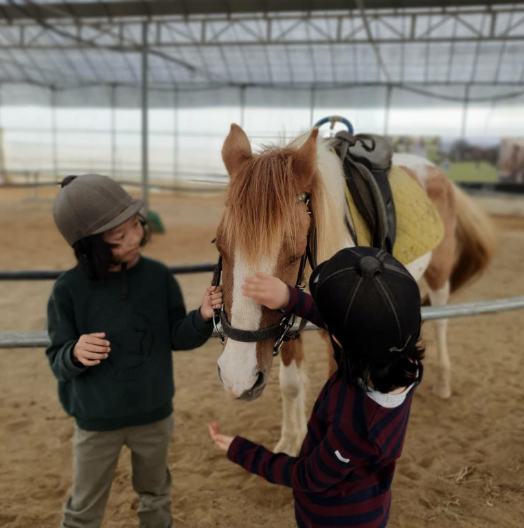
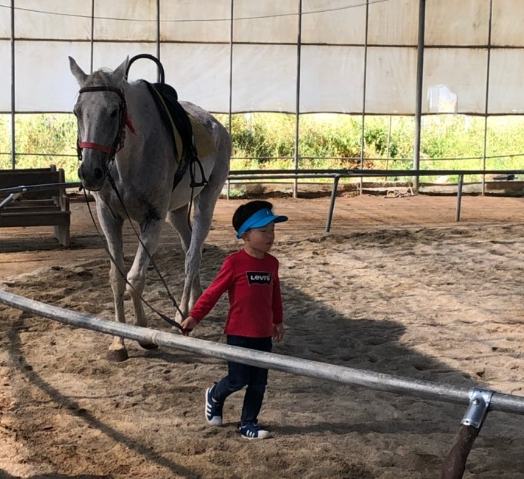
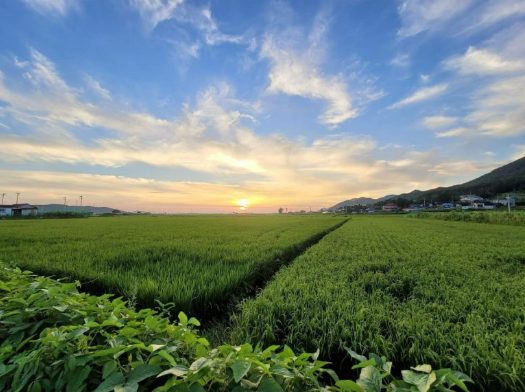
The horse uncle holding a baby A child on a pony in winter A child leading a white horse Children petting a horse Running across the mudflat The tidal flat at low water A group cheering on the ATVs ATVs at the top of the hill in autumn Freshly dug sweet potatoes The oil-drum sweet potato roaster The wagon train crossing the fields Rice paddies at sunset

Tell us your date. We'll do the rest.

Send us the day you're thinking of, how many people, and roughly what you'd like to do. We'll check the tide, block the time, and tell you what it costs. Weekdays need a little more notice than weekends.